Recycling Solutions
Application-specific recycling solutions configured around feedstock, target capacity, processing objectives and required recovered materials.
- Lithium Battery Recycling
- EV Battery Recycling
- Solar Panel Recycling
- PCB Recycling
ENGINEERED FOR RECOVERY.
Engineering and manufacturing complete mechanical recycling systems for lithium-ion batteries, EV battery materials, PCB scrap and end-of-life solar panels — from feed preparation and size reduction to separation and material recovery.
BREM engineers complete mechanical recycling systems around the material entering your plant and the valuable fractions you need to recover.
BREM configures complete recycling systems around the material entering the plant, required throughput, downstream recovery targets and site conditions. Standard equipment modules can be combined into project-specific production lines.
Application-specific recycling solutions configured around feedstock, target capacity, processing objectives and required recovered materials.
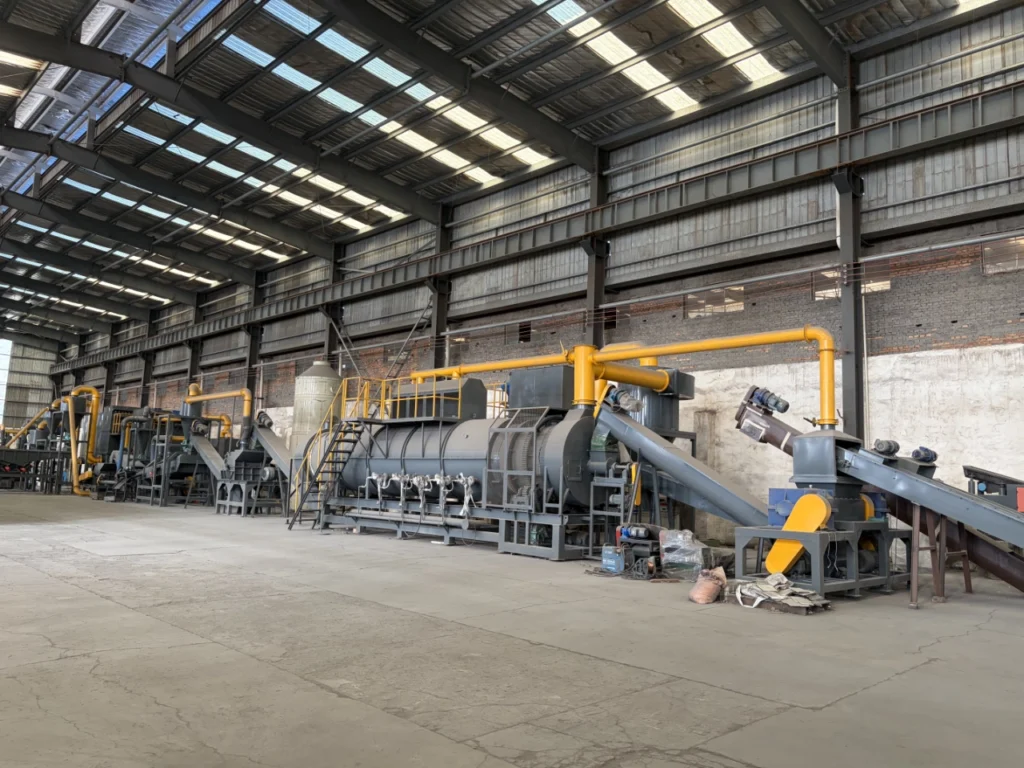
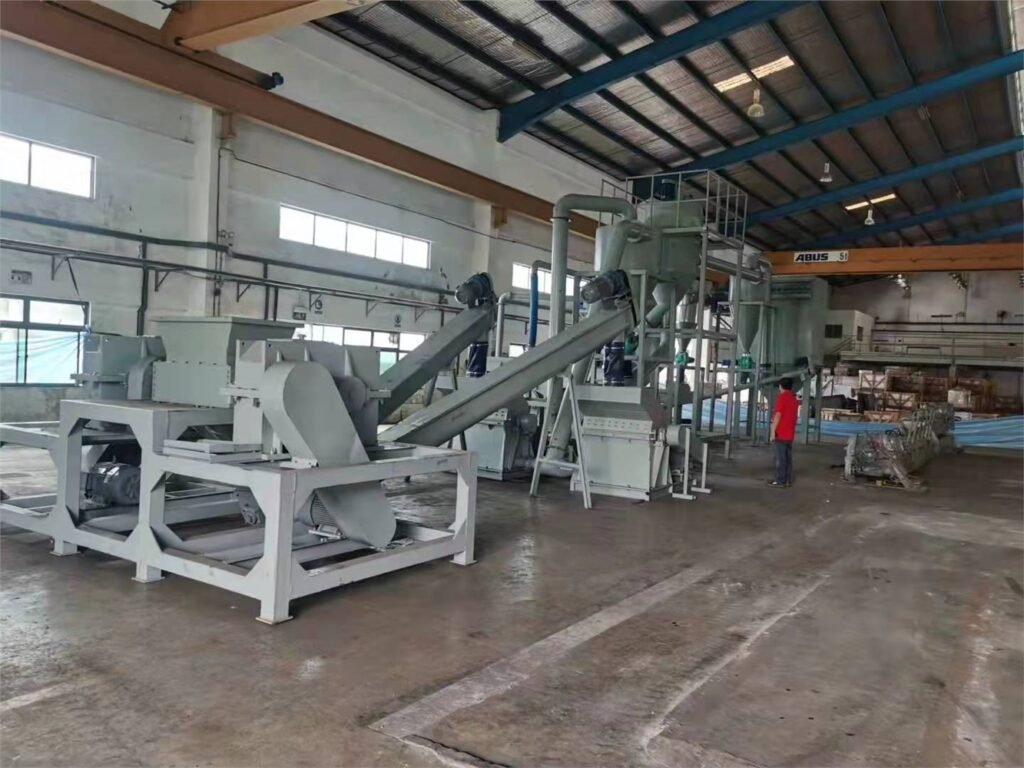
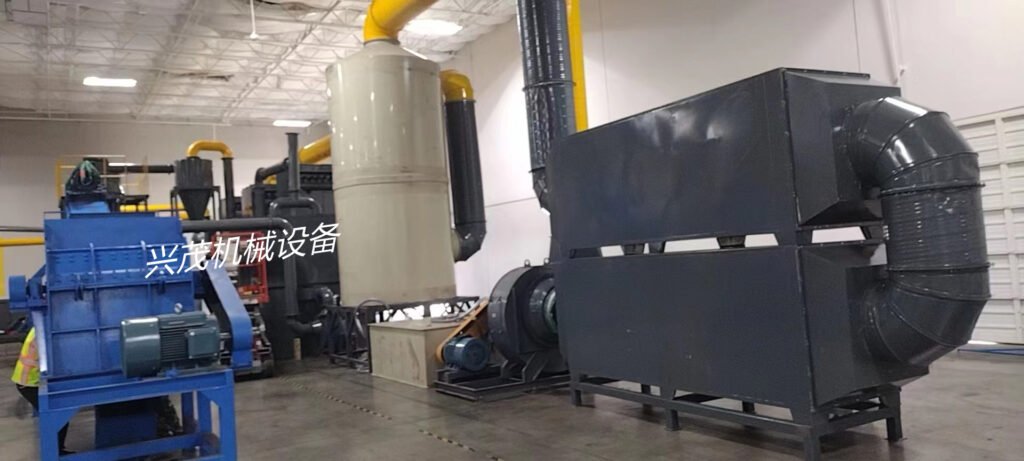
Coordinated processing lines integrating material preparation, size reduction, separation, recovery and environmental control into one engineered system.
Individual machines for key processing stages within recycling systems, available for line integration, process upgrades or capacity expansion.
Choose the feedstock closest to your project. Each solution connects material conditions, recovery targets and suitable production-line configurations.
Battery preparation / discharging → primary shredding → secondary crushing → screening & black mass collection → copper / aluminum / plastic separation → dust & off-gas treatment
Explore Solution →Pack characterization & safety check → pack dismantling → module testing / discharge / preparation → module / cell size reduction → screening & physical separation → fine fraction collection & output handling
Explore Solution →Feedstock characterization → controlled size reduction / liberation → screening & particle classification → metal separation → fine-powder collection → fraction collection & output control
Explore Solution →Feedstock characterization → controlled liberation → screening & classification → magnetic / air separation → density-based separation → fraction collection
Explore Solution →Module characterization → frame & junction-box removal → laminate opening / glass separation → controlled size reduction → screening & physical separation → final fraction collection
Explore Solution →Feedstock characterization → optional component dismantling → primary crushing → fine crushing / pulverizing → screening & physical separation → electrostatic separation & final collection
Explore Solution →Move from a recovery objective to an integrated processing line — with coordinated equipment, material flow, environmental control and automation.
Discharge → shredding → crushing → air classification → magnetic separation → screening → density separation → black mass collection
Pack assessment → discharge → dismantling → module/cell routing → mechanical recycling or qualified second-life testing
Module loading → FPC/fastener removal → plate dismantling → busbar cutting → cell extraction → test or recycle
Feeding → puncture/roll-cut/stamp discharge → energy release → spray cooling → transfer to recycling
Junction-box/frame removal → thermal softening → glass separation → shredding → milling → classification
Coarse crush → pulverizing → classification → cyclone collection → electrostatic separation → dust collection
A complete line is not selected from a fixed catalogue. BREM configures the process route, equipment and plant integration around the material you need to process and the recovered fractions you need to produce.
Final equipment, process stages and plant layout depend on the confirmed feedstock, capacity, recovery targets and site requirements.
From project requirements to equipment configuration. This engineering step connects the production line you need with the individual machines that make the system work.
Explore Engineering & Technology →BREM equipment is organized by its role inside the recycling line. Machines are selected and combined according to feedstock, required capacity, separation targets and environmental-control requirements.
Low-speed, high-torque twin-shaft shredding equipment for the coarse reduction of bulky, irregular and difficult recycling feedstock before conveying, secondary crushing, screening or material recovery.
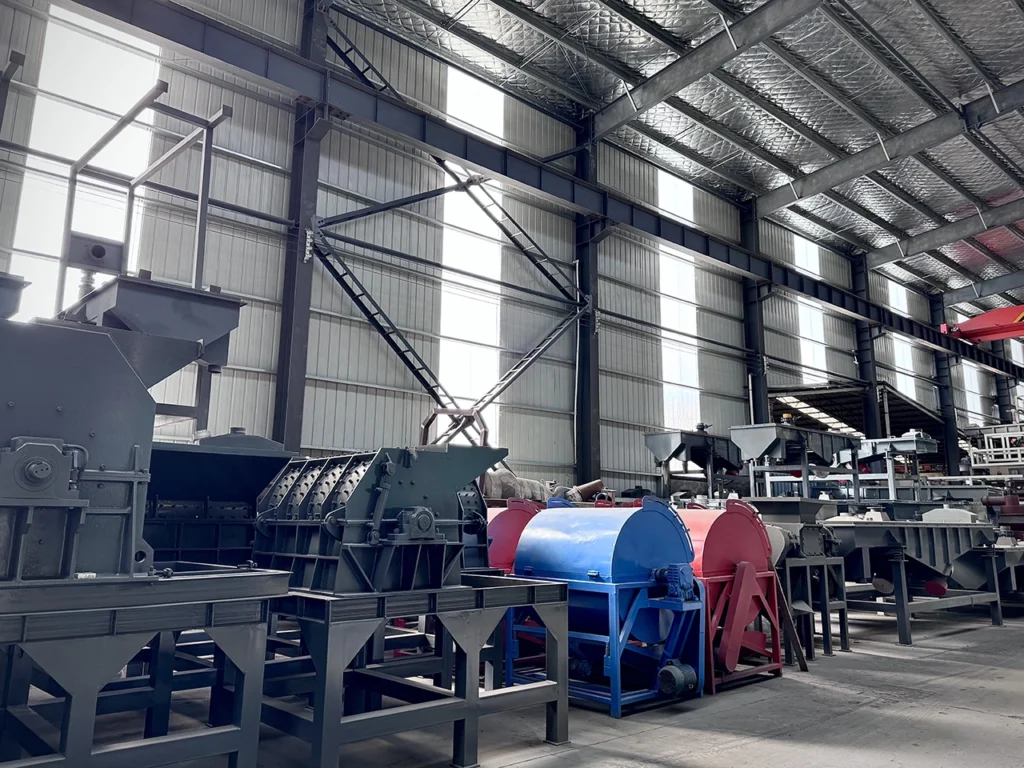
View Machine →High-speed impact crushing equipment for medium and fine size reduction of brittle and crushable recycling materials such as lithium battery fractions, printed circuit boards, cans and aluminum residues.
View Machine →The Industrial Pulverizer is a fine-grinding and material-liberation machine that combines blade-based pulverizing, centrifugal regrinding, air classification and pneumatic conveying for prepared battery, PCB, electrode-sheet and composite recycling…
View Machine →The Air Gravity Separator is a dry physical separation unit for classifying prepared granular material according to density, particle size and aerodynamic behavior. It combines controlled airflow, a…
View Machine →The Electrostatic Separator is a dry high-voltage separation machine for dividing conductive and non-conductive particles according to their different electrical behavior in an electrostatic field. It is used…
View Machine →The Hydraulic Dewatering Machine is a high-pressure solid-liquid separation system for sludge, slurry and other high-moisture industrial materials. It uses hydraulic compression, a customized forming chamber and controlled…
View Machine →The Vibratory Separator is a linear screening machine designed to classify granular and powdered recycling materials into different particle-size fractions. Controlled vibration moves material continuously across one or…
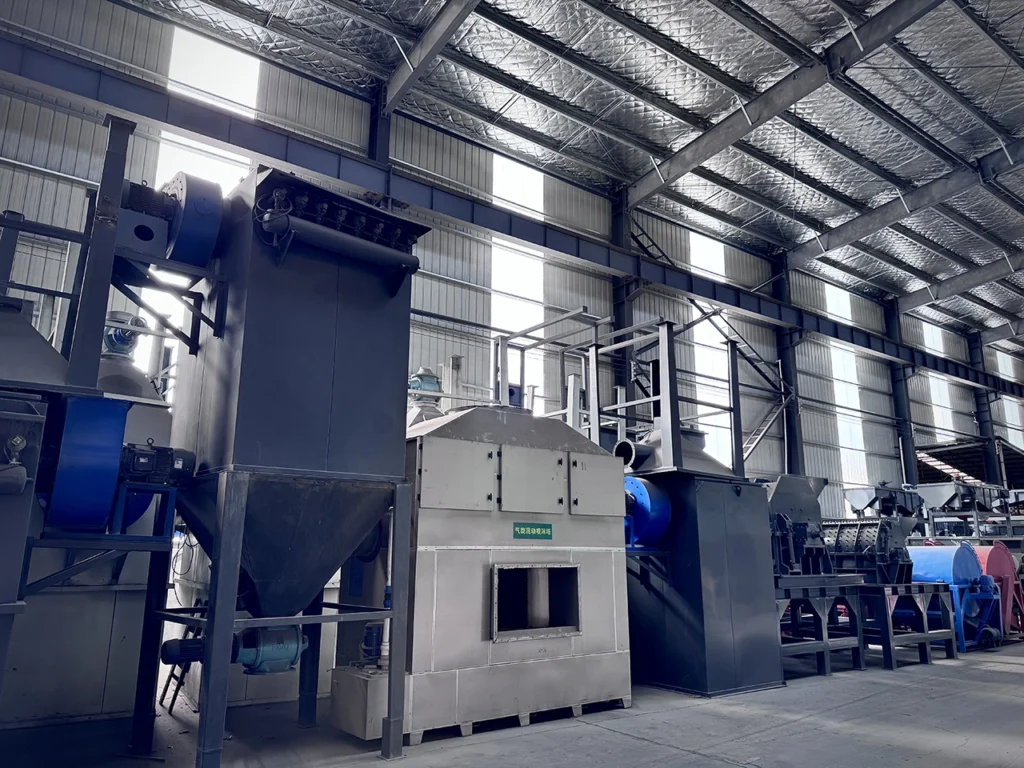
View Machine →The Activated Carbon Adsorption System is an industrial exhaust-gas treatment unit designed to remove selected volatile organic compounds (VOCs) and odorous pollutants from process air. It uses porous…
View Machine →The Industrial Oil Fume Purification Equipment is designed to treat oil mist, fine aerosol, smoke and selected suspended particulate generated by industrial thermal and manufacturing processes. It combines…
View Machine →The BREM Pulse Jet Baghouse Dust Collector is a dry filtration system designed to capture fine, non-fibrous particulate from industrial process air. Dust-laden air enters the collector housing,…
View Machine →UV Photolysis Purification Equipment is designed for selected industrial exhaust streams containing odor compounds and gaseous organic contaminants. The system uses high-energy ultraviolet radiation to initiate photochemical reactions…
View Machine →Explore the manufacturing stages behind a complete recycling line. Select a stage to view the corresponding workshop evidence, manufacturing focus and project role.
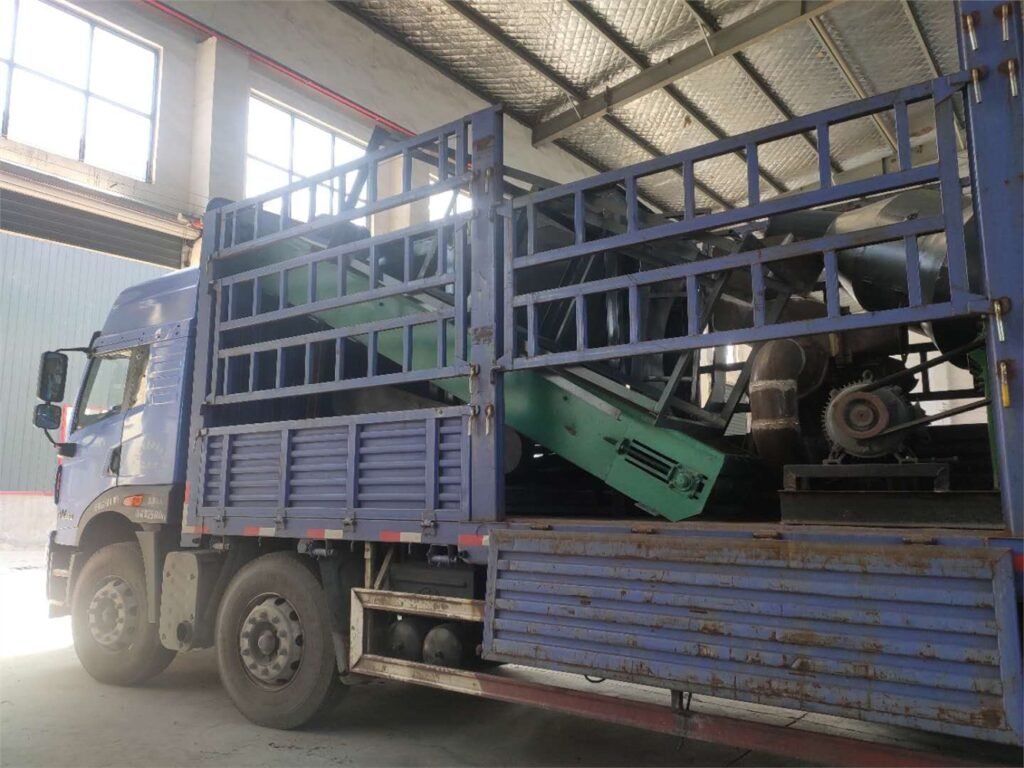
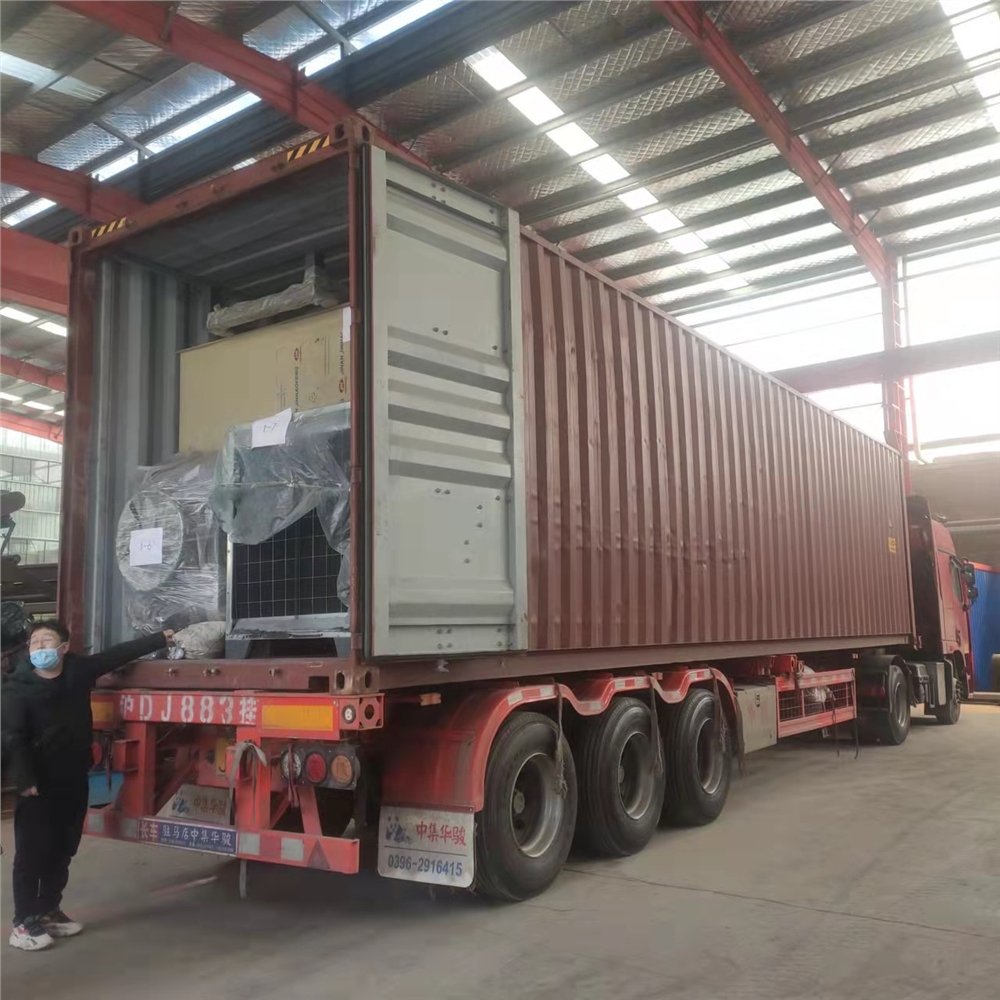
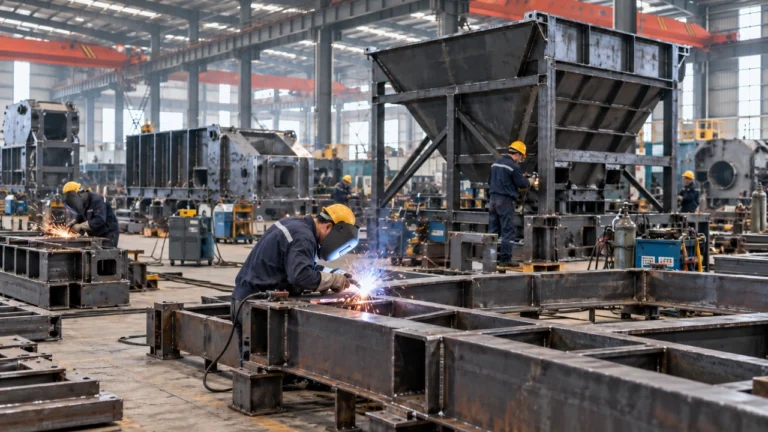
Workshop fabrication, mechanical and electrical assembly, and factory testing convert engineering packages into physical equipment.
Real project photography connects BREM engineering with the equipment, materials and installation conditions behind each delivered system.
Explore All Case Studies →
Each case should document the project with verified information only. Where project data is incomplete, photography and confirmed scope remain the primary evidence.
02
03
04
05
Each stage hands the project forward to the next — keeping process definition, engineering, manufacturing, verification and site implementation connected.
Exact deliverables and on-site services follow the confirmed proposal and contract.
Feedstock, condition, capacity, recovered materials and site requirements.
Define the process route and required functional stages around project objectives.
Equipment selection, sizing, material flow, controls and layout coordination.
Fabricate and assemble the configured equipment and recycling-line modules.
Inspect the assembled system and complete applicable factory testing.
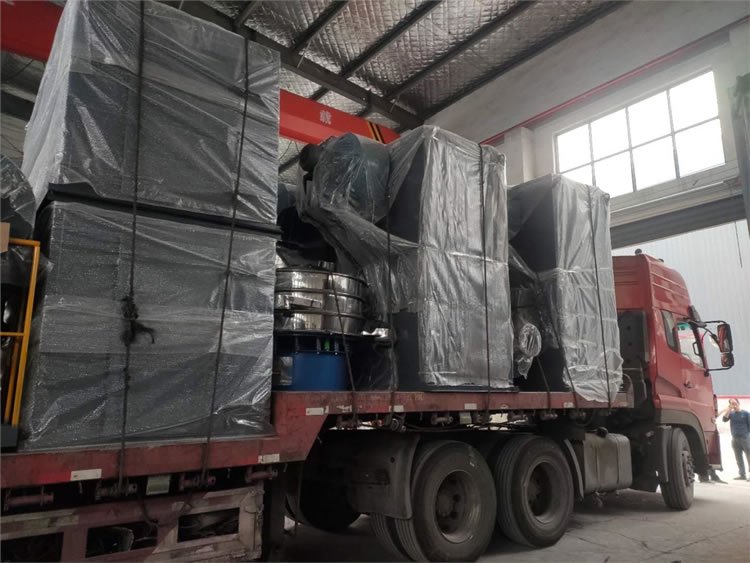
Prepare for shipment and coordinate installation under the agreed project scope.
Support start-up and operating coordination within the agreed service scope.
BREM / Manufacturing
BREM focuses on coordinated recycling systems for battery, PCB and solar materials—not an unrelated machine catalogue.
Company identity and trust facts below come from verified manufacturing and credentials information already maintained on the site. Review the company profile and published project evidence before starting a technical proposal.
BREM combines complete-line integration, feedstock-based engineering, environmental control and manufacturing support for international recycling projects.
Multiple processing stages configured as one coordinated recycling system.
System configuration based on material condition, chemistry, throughput and target outputs.
Dust, exhaust, temperature, feeding and relevant process safety measures integrated where required.
Manufacturing, assembly, testing, installation guidance, commissioning and operator training according to actual scope.
Feedstock, capacity, outputs, utilities, installation and commissioning questions buyers typically need to answer.
Explore Technical Resources →Start with the material, required capacity and recovery target. BREM can use these inputs to define the next engineering discussion.
You don't need to know all the technical details. Tell us what you're working with and what you want to achieve, and our team will help you determine the next step.